
Carbon Monoxide Detector Placement for Orange County Homes: A Local Inspector's Guide
By Orlando Martinez · October 25, 2026 · 5 min read
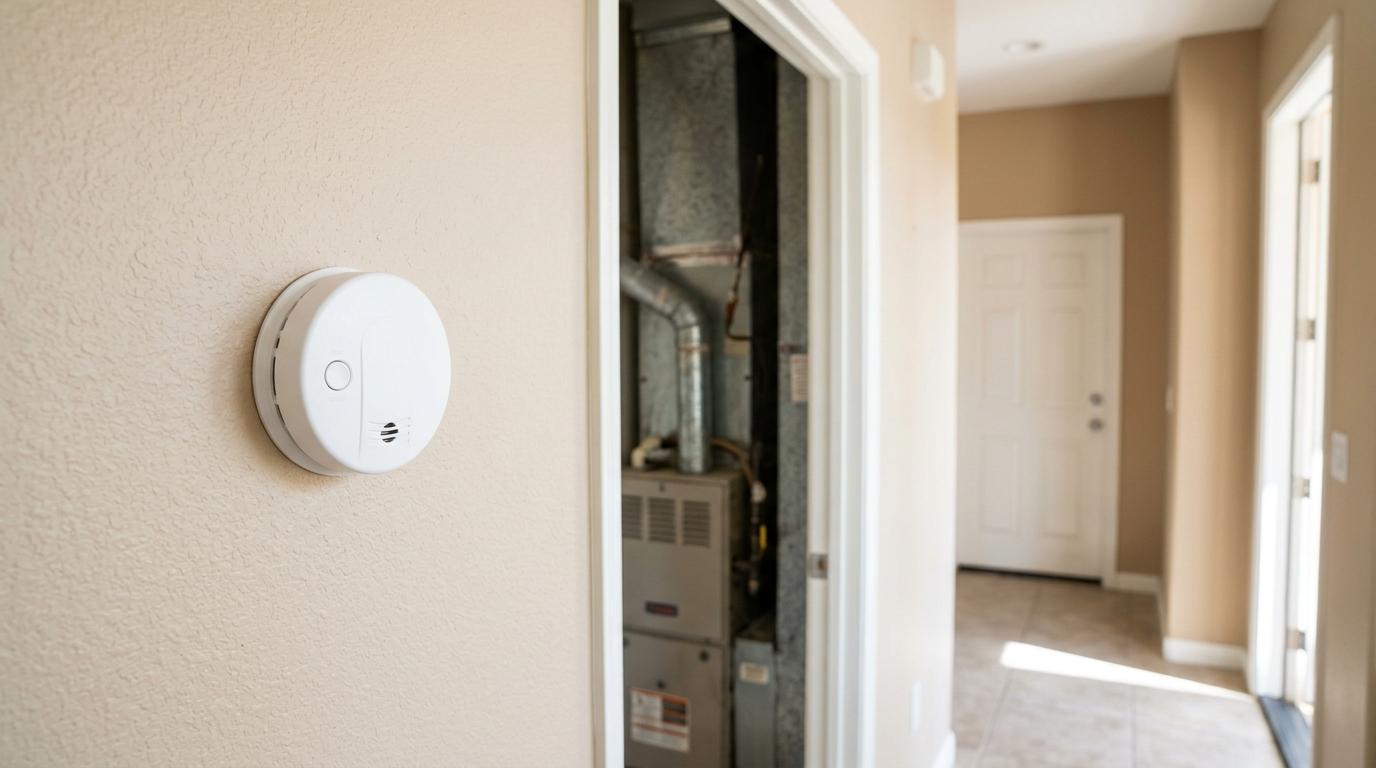
Last winter, a family in a 1970s Anaheim ranch house called me after their CO alarm chirped at 2 a.m. — and they couldn't figure out why. The alarm was mounted on the ceiling, right above the furnace closet. Every time the furnace kicked on, warm exhaust drifted up past the sensor. That's a false alarm, but it taught them something most homeowners never learn: where you mount a carbon monoxide detector decides whether it warns you in time — or drives you crazy for no reason.
Carbon monoxide is colorless and odorless, and it comes from the fuel-burning appliances most Orange County homes rely on: furnaces, water heaters, gas ranges, fireplaces, and attached-garage vehicles. At Marine One Property Inspections, I've walked thousands of homes across Anaheim, Riverside, San Bernardino, and the Inland Empire, and detector placement is one of the most common — and most fixable — oversights I find. Here's what actually works in our local housing stock.
Why Orange County Placement Is Different
Orange County's housing mix creates specific CO risks that a generic national guide won't cover:
- Attached garages are the norm. In Anaheim, Fullerton, and Santa Ana, most homes have a garage sharing a wall with living space. Idling a car for even a few minutes can push exhaust through a shared door or a poorly sealed wall.
- Aging furnaces and water heaters. Much of the county's tract housing was built between the 1950s and 1980s. Older forced-air furnaces and atmospheric-vent water heaters are more prone to cracked heat exchangers and backdrafting.
- Tight, modern construction. Newer builds in Irvine and south county are sealed tightly for energy efficiency. That's good for your bill, but it can trap CO indoors instead of letting it escape.
- Mild winters mean year-round use. Our climate keeps gas appliances running more months of the year than in colder regions — more operating hours, more chances for a problem to develop.
None of this means your home is dangerous. It means placement and maintenance deserve real attention.
Where to Mount CO Detectors (and Where Not To)
Manufacturer instructions and California building standards generally call for CO alarms:
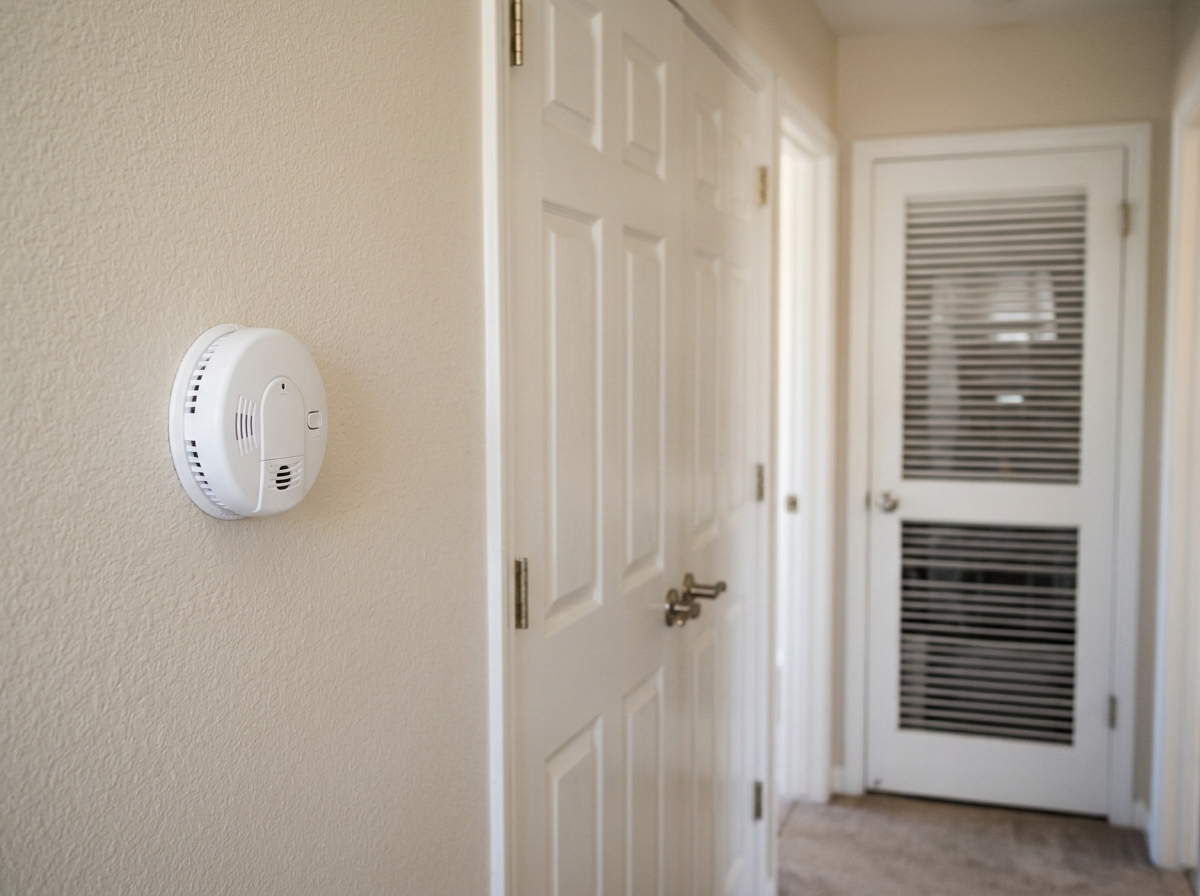
- Outside each sleeping area, so alarms wake occupants.
- On every level of the home, including basements and finished attics.
- In or near the garage if it's attached, and near any fuel-burning appliance.
What about height? CO mixes fairly evenly with air, so ceiling, wall, or plug-in units all work — follow the specific device's instructions. The bigger mistakes are location, not altitude:
- Too close to the furnace or water heater. Keep detectors at least 15 feet from combustion appliances to avoid nuisance alarms from normal startup exhaust.
- Inside a garage or kitchen. Vehicle exhaust and cooking fumes will trigger false alarms.
- Near vents, ceiling fans, or windows. Drafts can blow CO away from the sensor before it registers.
- In humid or dusty spots. Bathrooms and laundry areas can degrade sensors over time.
One more thing: replace the units every 5–7 years, or per the manufacturer's date. Sensors lose sensitivity, and a detector that's 12 years old may not protect anyone.
What I Actually Find on Inspections
When I inspect a home in Temecula, Murrieta, or anywhere across our service area, I check for a few recurring problems:
- No detector at all. Surprisingly common in older Riverside and San Bernardino homes that were built before CO alarms were standard.
- One detector for the whole house. A single unit in a hallway won't reliably wake someone sleeping on the opposite end of a two-story home.
- Dead or missing batteries. The most preventable failure there is.
- Detectors past their service life. I check the manufacture date on every unit.
- A CO source nobody knew about. Sometimes the detector is fine — the problem is a backdrafting water heater or a furnace with a cracked heat exchanger. That's a job for a licensed HVAC technician, not a DIY fix.
My inspections are visual and limited in scope — I can't predict every future failure — but I can tell you whether your alarms are present, placed sensibly, and within their service life, and I can flag combustion appliances that deserve a closer look by a specialist.
Beyond the Detector: Testing the Air and the Systems
A CO alarm is your last line of defense. The better approach is catching the source before it becomes one.
That's why Marine One Property Inspections offers services that go past a visual walk-through:
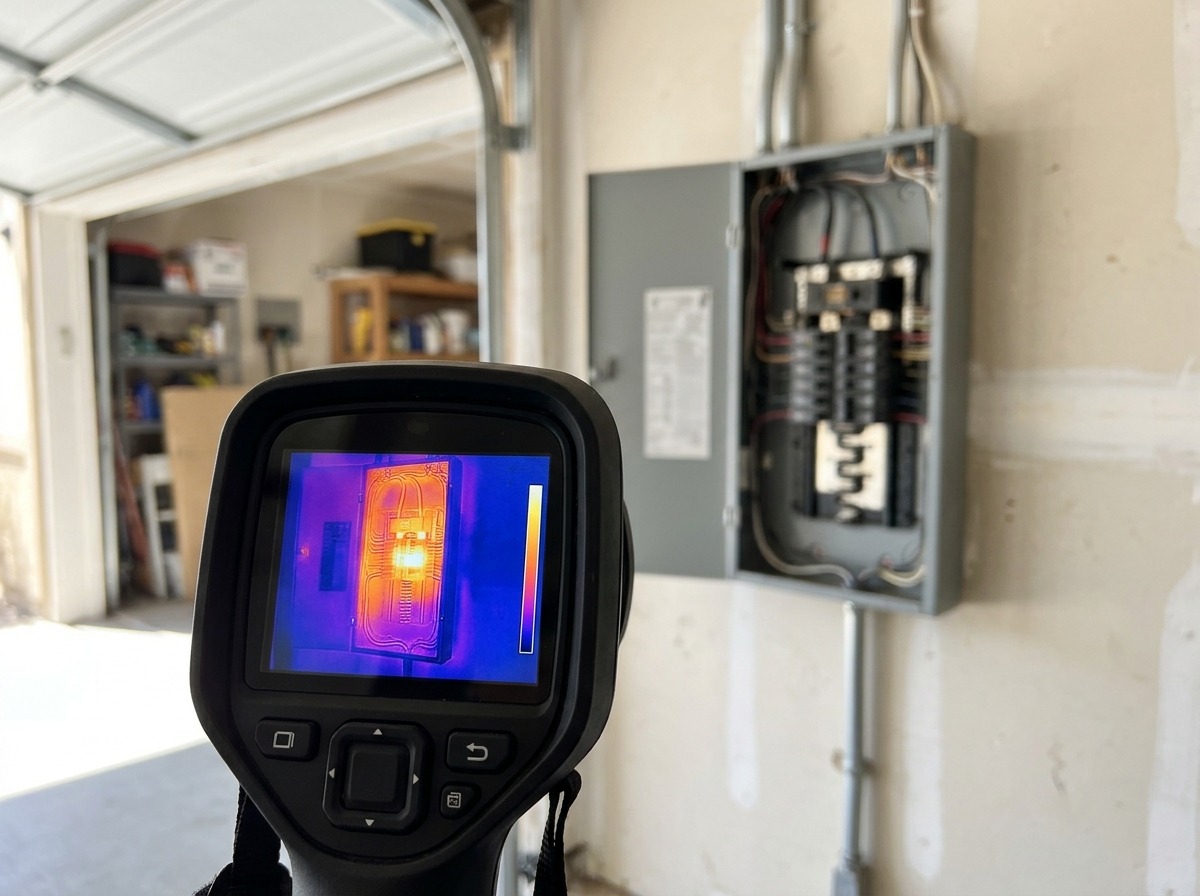
- Thermal imaging to spot overheating electrical components and hidden issues that can signal trouble.
- Radon testing and monitoring — radon is a separate, invisible gas, but it's the same principle: test, don't guess.
- Mold and air quality testing for homes with moisture or ventilation concerns.
- Sewer camera scoping and CrawlBot foundation inspection for the systems beneath your feet.
For buyers in Orange County or the Inland Empire, a thorough inspection before closing can reveal whether a home's gas appliances, ventilation, and safety devices are ready for occupancy. For sellers, a pre-listing inspection means no surprises after you've accepted an offer. And if you're in a multi-unit building or commercial property, we handle those too.
A Simple Checklist Before You Forget
You don't need a professional to handle the basics. Tonight, walk your home and check:
- Is there a CO alarm outside every sleeping area?
- Is there one on every level, including the garage and basement?
- Are they within 5–7 years of the manufacture date?
- Are the batteries fresh, and did you test each unit?
- Are any mounted within 15 feet of the furnace or water heater?
If you answer "no" or "I'm not sure" to any of these, fix it this week. It takes ten minutes and costs very little.
And if you'd like a second set of eyes — or you're buying or selling a home in Temecula, San Diego, Orange County, Anaheim, Riverside, or anywhere across our service area — Marine One Property Inspections is here to help. We're a locally based, licensed and insured team with decades of building and inspection experience, and we treat every home like it's our own.
Let's Make Sure Your Home Is Covered
If you've read this far, you're already ahead of most homeowners. The next step is simple: schedule an inspection or just ask a question.
Whether you need a residential property inspection, a pool and spa check, a warranty inspection, or a full pre-listing review, Orlando Martinez and the team at Marine One Property Inspections are glad to walk you through what we look at and what we can't. No pressure, no sales pitch — just straight answers from an inspector who knows Orange County housing inside and out.
Reach out to Marine One Property Inspections today. Your family's safety is worth the conversation.