
Carbon Monoxide Requirements for Temecula Homes – What Every Owner Should Know
By Orlando Martinez · October 14, 2026 · 4 min read
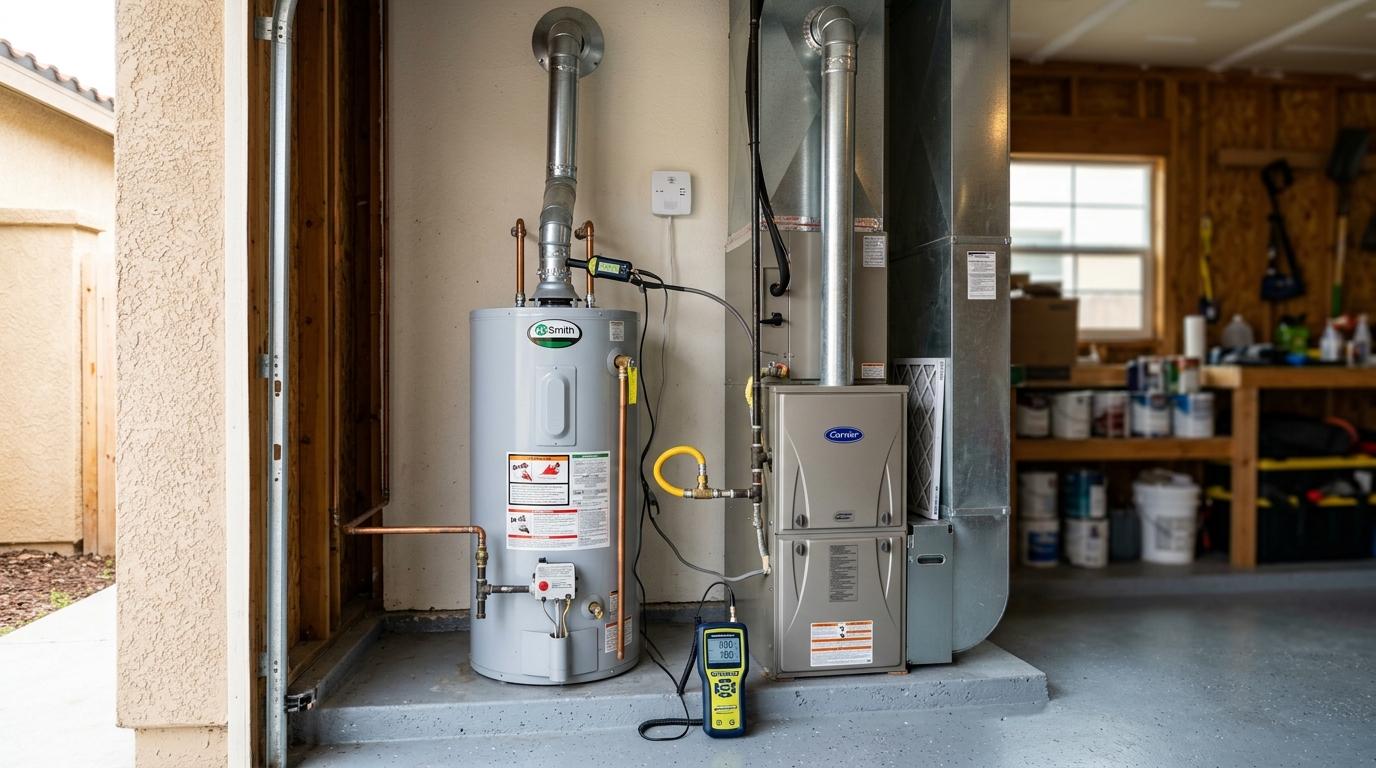
When a Temecula homeowner wakes to the faint hiss of a garage door opener and a faint, sour‑smelling odor in the bedroom, the first thought might be a stray car exhaust. In Southern California’s warm climate, many families keep a vehicle in an attached garage year‑round, and a single mis‑fired furnace can turn a comfortable home into a silent danger zone. Understanding the state’s carbon monoxide (CO) requirements isn’t just a paperwork exercise—it’s a practical step that protects your family, especially during the cooler months when heating systems run nonstop.
California CO Detector Rules
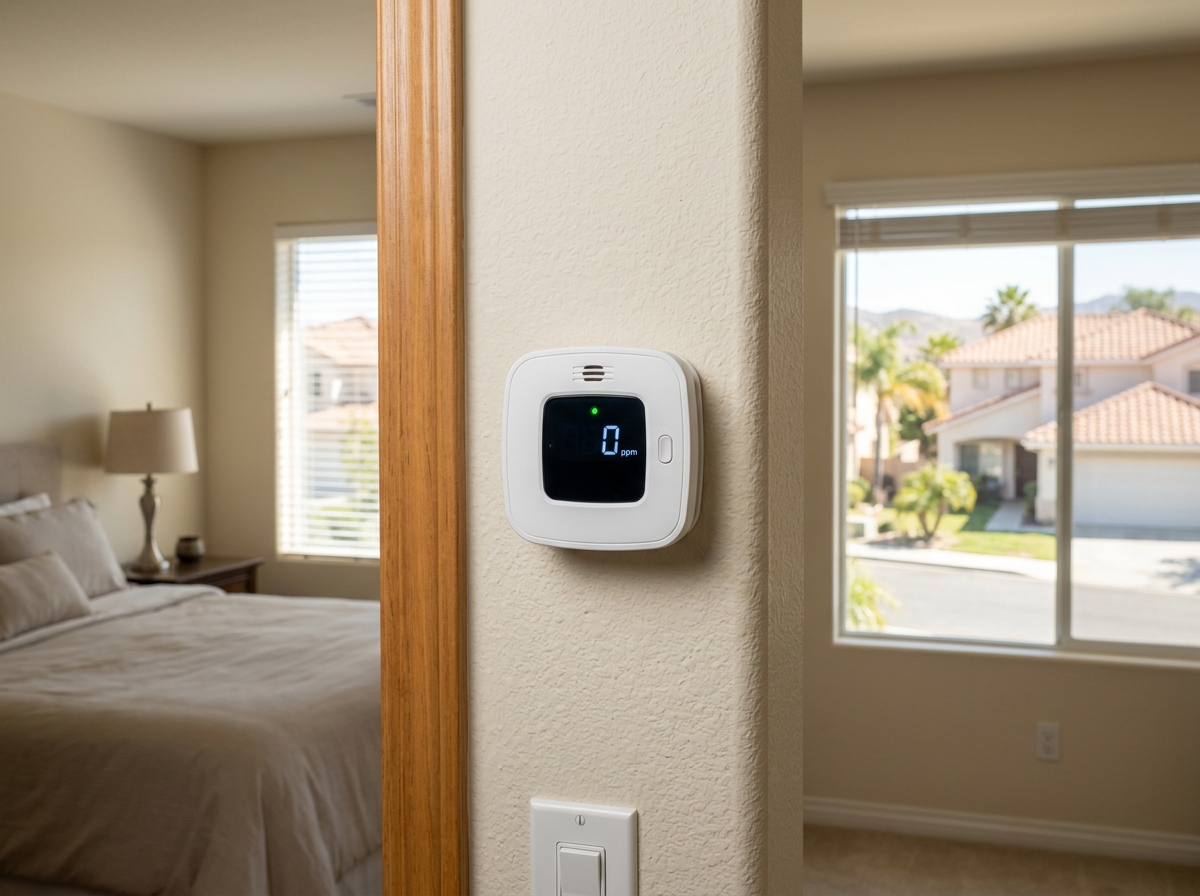
California law (California Health and Safety Code § 132351) mandates that every residence have a hard‑wired CO detector with battery backup installed on each level of the home, including basements. The detector must be located outside each sleeping area and at least 15 feet from fuel‑burning appliances.
Key points for Temecula homeowners
- Placement: Mount detectors on the wall 5‑12 inches above the floor or on the ceiling no more than 12 inches from the wall. Avoid placement near vents, windows, or humid areas like bathrooms.
- Maintenance: Test the alarm monthly, replace batteries yearly (even if the unit is hard‑wired), and replace the detector every 5‑7 years as the sensor degrades.
- Interconnected Units: If one detector sounds, all should alarm. Newer models can be wired together or use wireless interconnects.
- Rental Properties: Landlords in Temecula and the broader Inland Empire must provide functional detectors at the start of each tenancy.
These rules are designed for the region’s mix of older ranch‑style homes and newer construction, where both natural‑gas furnaces and electric heat pumps are common. Keeping detectors in the right spots reduces the risk of CO buildup from a cracked furnace heat exchanger or an idling generator during a summer power outage.
Typical CO Sources in Temecula & Surrounding Areas
While CO is odorless and invisible, its sources are very tangible in our local housing stock. Here are the most common culprits you’ll encounter in Temecula, San Diego, Orange County, and the Inland Empire:
- Gas Furnaces & Water Heaters – A cracked heat exchanger or improper venting can leak CO directly into living spaces. Many homes built before the 1990s still use older units.
- Attached Garages – Running a car in an attached garage, especially on hot summer days, can push exhaust into the home through door cracks or shared walls.
- Fireplaces & Wood Stoves – In the cooler months, a blocked chimney or a poorly sealed fireplace can back‑draft CO.
- Portable Generators – During power outages, residents often run generators in backyards. Without proper placement (at least 20 feet from the home), CO can drift back toward windows.
- Improperly Vented Appliances – Gas stoves, dryers, or even pool heaters that are vented incorrectly can contribute to indoor CO levels.
Understanding these sources helps you and your inspector focus on the right areas during a home inspection. For example, in Riverside homes where basements are common, we pay special attention to furnace rooms and any attached garage doors.
What I Look for During a Home Inspection
When I, Orlando Martinez, conduct a residential inspection for Marine One Property Inspections, I treat CO safety as a core component of the overall assessment. My checklist includes:
- CO Detector Verification – Confirm each detector is the correct type, properly placed, and functional (using the test button).
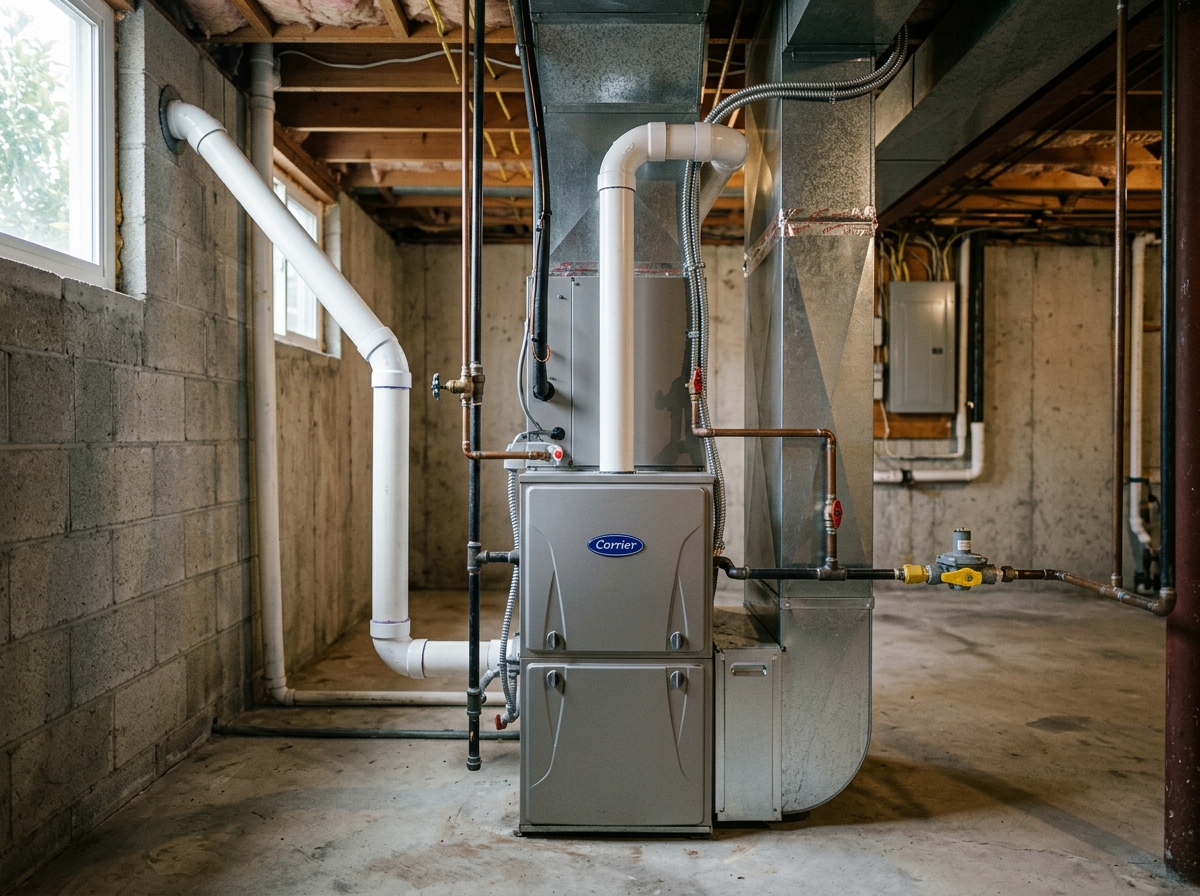
- Appliance Combustion Checks – Inspect furnaces, boilers, water heaters, and fireplaces for signs of cracks, corrosion, or improper venting.
- Ventilation Pathways – Examine exhaust flues, chimney caps, and garage door seals to ensure they are clear and intact.
- Air Quality Testing – While CO detectors are the first line of defense, I can also schedule a Mold Air Quality Test or Radon Test to evaluate other indoor pollutants that may indicate ventilation problems.
- Specialized Tools – For hard‑to‑reach roof vent areas, I deploy a Drone Roof Inspection; for foundation venting issues, a CrawlBot helps me see beneath slab cracks.
- Documentation – All findings are recorded in a detailed report, and I provide recommendations for any corrective actions, such as installing additional detectors or repairing a vent.
My background as a licensed InterNACHI® inspector and FAA‑Part 107 drone pilot lets me capture visual evidence that most standard inspections miss, giving you a clearer picture of any CO‑related risks.
If Your Detector Goes Off
A CO alarm is an urgent warning, not a false alarm. If you hear the beeping:
- Leave the home immediately and call 911. Do not try to locate the source yourself.
- Ventilate the area by opening doors and windows once you are safely outside.
- Do not re‑enter the home until emergency responders have cleared it.
- Have a qualified HVAC technician inspect the furnace, water heater, and venting system as soon as possible.
- Replace or add detectors if the existing units are older than 5 years or if you’ve made changes to the home’s layout.
Even after a false alarm, it’s wise to schedule a professional inspection to confirm that all combustion appliances are operating safely.
Get a Professional Check
If you’re buying, selling, or simply want peace of mind about carbon monoxide safety in your Temecula home, a thorough inspection can identify hidden risks before they become emergencies. I’m happy to walk you through the findings, answer any questions, and recommend trusted local contractors for any needed repairs.
Feel free to reach out to Marine One Property Inspections to schedule a comprehensive home inspection, or just to ask a quick question about CO detectors and your property. Your safety is our priority, and we’re here to help you protect what matters most.