
Radon in Temecula Homes: What Local Homeowners and Buyers Should Know
By Orlando Martinez · October 24, 2026 · 6 min read
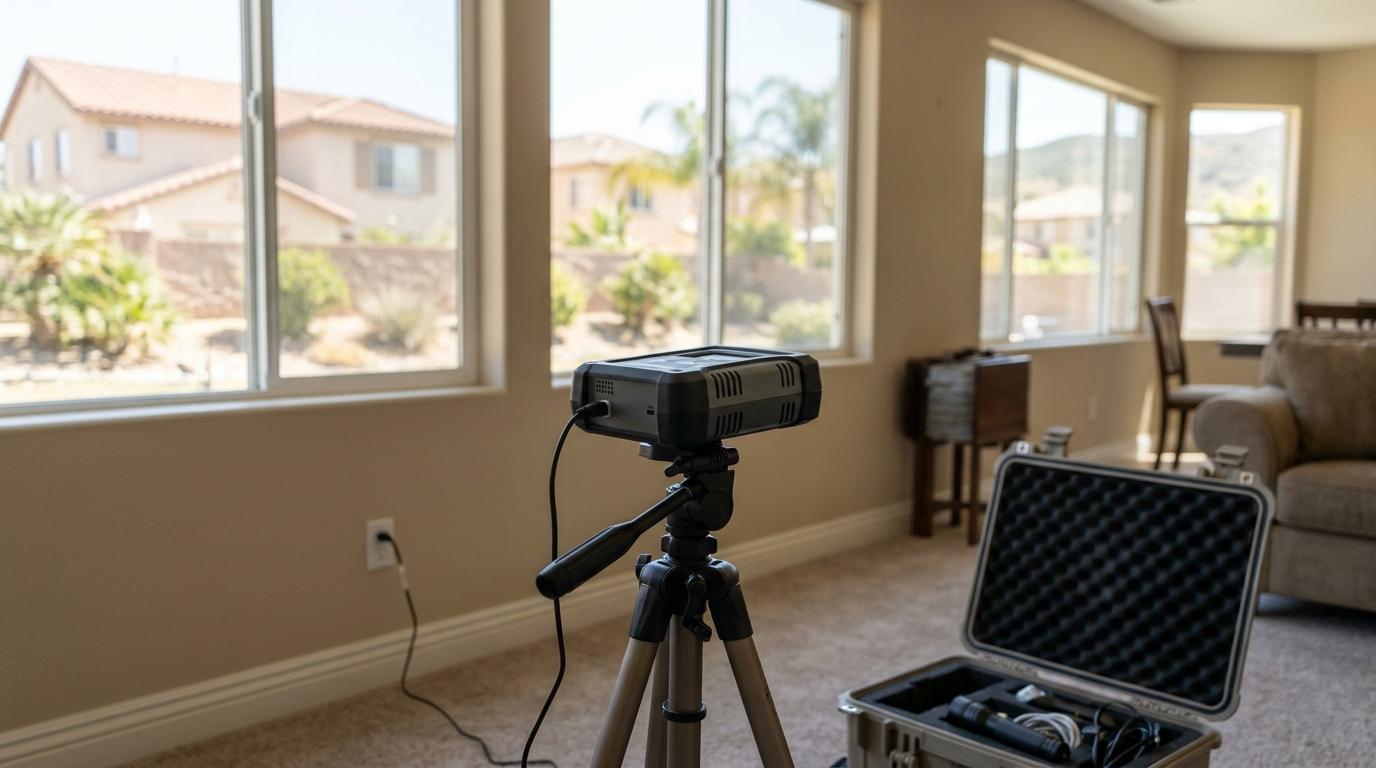
A Temecula family buys a house in a newer tract near the Temecula Parkway corridor. The home inspection looks solid — roof, electrical panel, HVAC, and plumbing all check out. Then a radon test comes back elevated. The buyers are surprised: the house is only a few years old, and nobody in the neighborhood has ever mentioned radon.
That scenario plays out more often than people expect, and it's exactly why radon deserves a plain-language conversation. Radon is a naturally occurring radioactive gas that comes from the breakdown of uranium in soil and rock. It has no color, no smell, and no taste. You can't see it, and you won't feel it. The only way to know what's happening in a specific home is to test that home.
At Marine One Property Inspections, our lead inspector Orlando Martinez serves Temecula and the surrounding areas — plus San Diego, Orange County, the Inland Empire, San Bernardino, Riverside, and Anaheim — and radon questions come up regularly from buyers, sellers, and longtime homeowners alike. This post covers what radon is, why local conditions matter, and how testing fits into a real estate transaction.
Why Radon Isn't Just a "Somewhere Else" Problem
Many people associate radon with basements in the Midwest or Northeast. California homes — especially in Southern California — often sit on slab-on-grade foundations with no basement at all, so it's easy to assume radon isn't a concern here.
That assumption doesn't hold up. Radon moves through soil and can enter a home through:
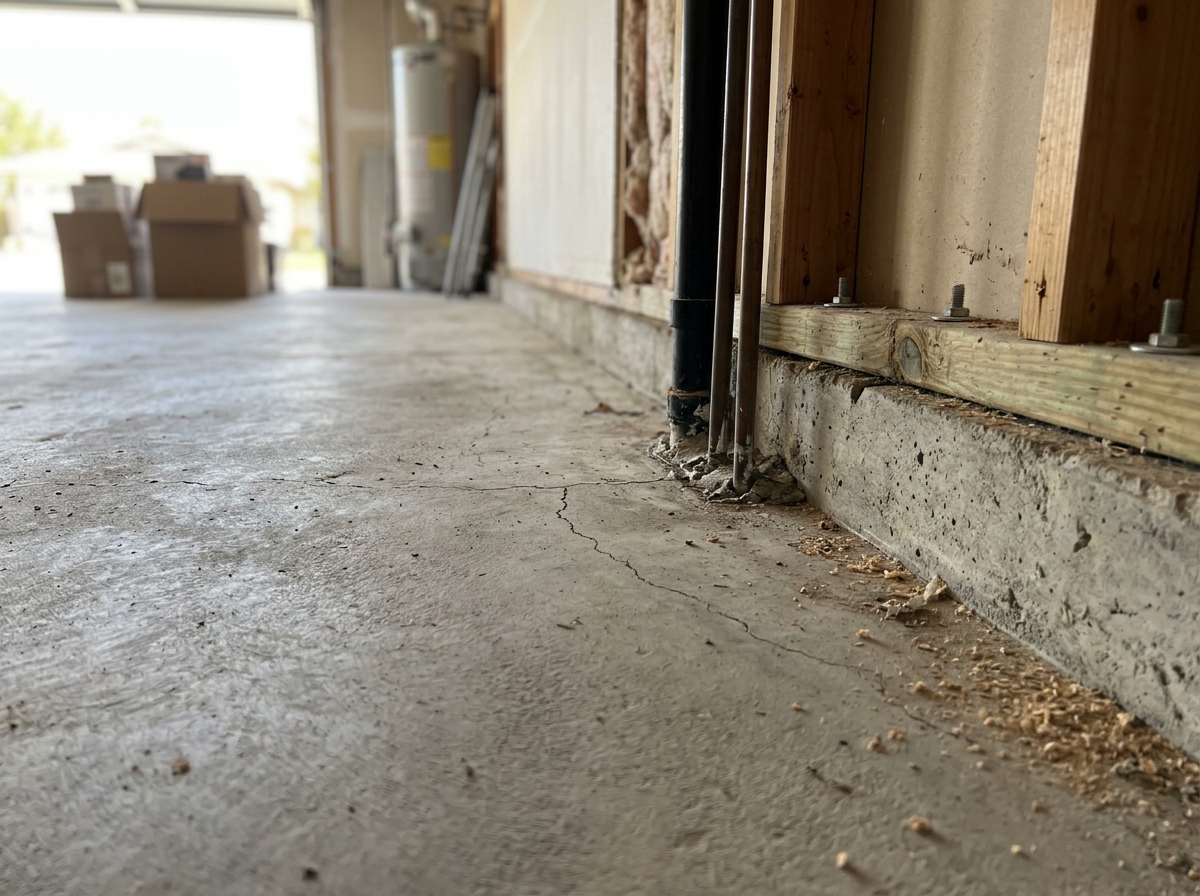
- Cracks in slab floors and foundations
- Gaps around pipes, conduits, and utility penetrations
- Crawl spaces and unsealed openings
- Sump pumps and drainage areas
- Construction joints and hollow-block walls
The gas gets drawn in partly by pressure differences between the soil and the indoors — a house can act a bit like a vacuum, pulling soil gas in through small openings. Local geology, soil composition, and how a home is built and ventilated all play a role. Two houses on the same street can test very differently, which is why neighborhood hearsay isn't a substitute for a test.
Temecula, Murrieta, and the broader Riverside County area have seen a lot of new construction over the past couple of decades. Newer homes aren't automatically exempt — they can still have pathways where soil gas enters. The point isn't to alarm anyone. It's simply that radon is a testable, address-specific question, not a regional stereotype.
How Radon Testing Actually Works
Radon testing is straightforward, but the details matter. A short-term test typically runs for a set period — often two to several days — under closed-house conditions. That means windows and exterior doors stay closed (normal entry and exit is fine), and the test device sits in a suitable low-level living area.
A few practical things that affect results:
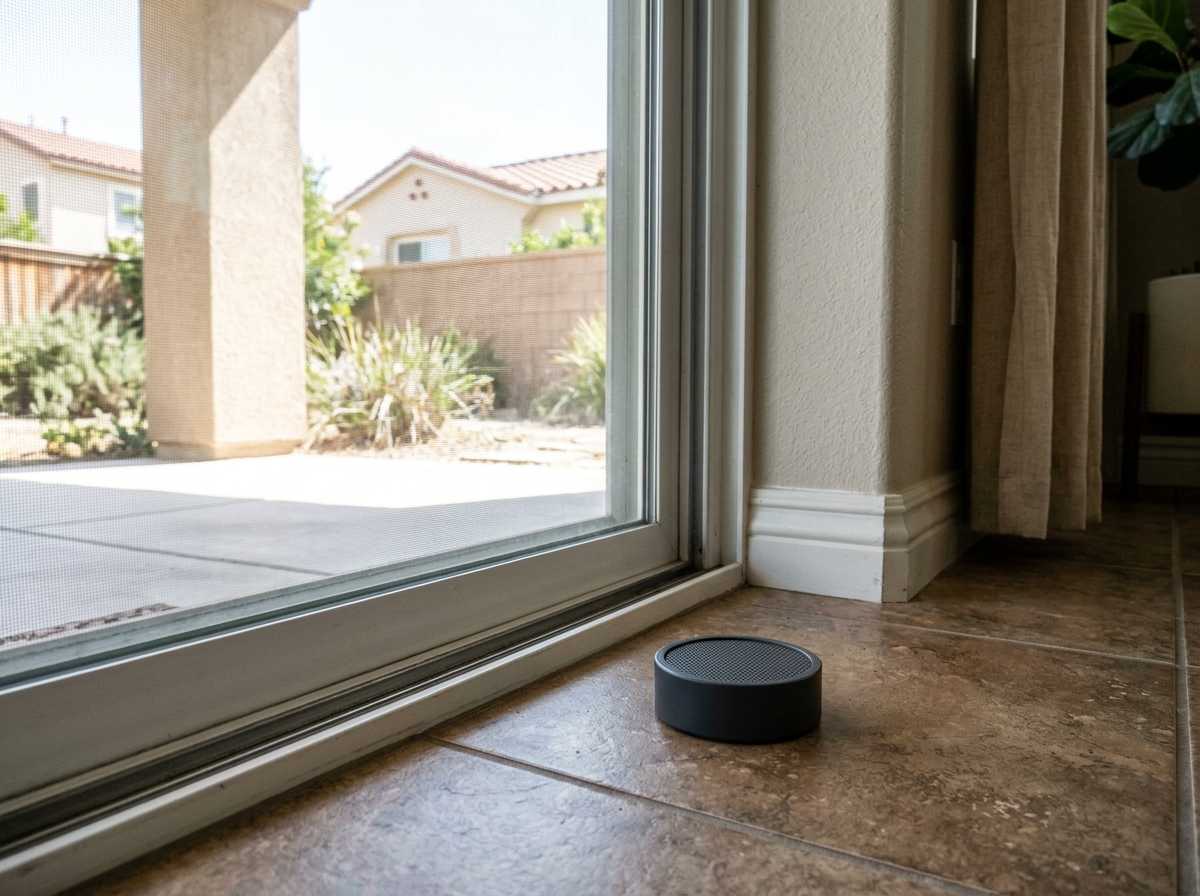
- Placement: Devices belong in the lowest livable level of the home, not a closet, bathroom, or laundry room.
- Duration: Short-term tests give a snapshot; longer-term tests average out seasonal swings.
- Conditions: Running a whole-house fan, leaving windows open, or unusual weather can skew a short-term result.
- Follow-up: If a short-term result comes back elevated, a follow-up test — sometimes a longer-term one — helps confirm what's really going on.
For real estate transactions, timing is the tricky part. A radon test needs time to run properly, and it needs to happen before contingencies close. Buyers in Temecula, Riverside, or Anaheim who want radon included in their inspection window should mention it early so it can be scheduled alongside the rest of the inspection rather than squeezed in at the last minute.
Marine One Property Inspections offers radon testing and monitoring as part of its service lineup, alongside residential property inspections, sewer camera scoping, mold and air quality testing, and other services. The goal is simple: give you real data about the specific house you're dealing with, so you can make an informed decision.
What an Elevated Result Means — and What It Doesn't
If a radon test comes back elevated, the first reaction is often worry. Here's the grounded version.
An elevated result is information, not a verdict. It tells you that radon levels in the home were at a certain concentration during the test period. It does not tell you that anyone has been harmed, and it does not tell you the house is unsafe to live in. Radon is a long-term exposure issue, and the standard response is mitigation — not panic.
Typical next steps after an elevated result:
- Confirm with a follow-up test if the original was short-term.
- Talk to a licensed radon mitigation professional about what options fit the home. Common approaches involve improving ventilation under the slab or in a crawl space and routing soil gas safely outdoors.
- Retest after mitigation to confirm the system is working as intended.
- Consider a monitoring approach if you'd rather track levels over time before deciding on mitigation.
Radon mitigation is a specialty trade, and it's separate from a home inspection. Marine One Property Inspections can test and monitor, and can point you toward qualified mitigation professionals — but the mitigation work itself is done by licensed specialists in that field.
One more thing worth saying plainly: no inspection — radon or otherwise — can guarantee a home is free of every issue. Inspections are visual and limited in scope, and radon testing reflects conditions during the test window. What testing does give you is a factual basis for decisions, which beats guessing every time.
Radon Questions We Hear From Local Buyers and Sellers
A few recurring questions come up in Temecula, San Bernardino, Orange County, and across the Inland Empire:
"The house has no basement — do I still need to test?" Yes. Slab-on-grade and crawl-space homes can still draw soil gas indoors. Foundation type changes how radon enters, not whether it can.
"My neighbor tested and was fine. Am I fine too?" Not necessarily. Soil, construction, and ventilation vary from house to house. Test your home, not your neighbor's.
"I'm selling. Should I test before listing?" It's a judgment call. Some sellers prefer to test ahead of time so there are no surprises mid-transaction. A seller's inspection — including radon testing if desired — can surface issues while there's still time to address them calmly.
"I just bought the house. Is it too late?" Not at all. Radon testing makes sense at any point, not just during a purchase. Warranty inspections and annual check-ins are good moments to revisit it. Levels can shift with changes to the home, ventilation, or how the space is used.
"Does a pool or spa matter?" Not for radon specifically. Pool and spa inspections cover a different set of concerns — equipment, safety, and condition. Radon is about soil gas and how it enters the structure.
If any of these sound like your situation, a quick conversation can clarify what's worth testing and when.
Schedule Radon Testing With Marine One Property Inspections
Radon is one of those things that's easy to postpone and just as easy to resolve. A test takes a short window of your time, and the result gives you something concrete to work with — whether you're buying in Temecula, selling in Riverside, or simply want to know more about the home you've lived in for years.
Marine One Property Inspections, led by Orlando Martinez, serves Temecula and the surrounding areas, along with San Diego, Orange County, the Inland Empire, San Bernardino, Riverside, and Anaheim. Alongside radon testing and monitoring, we handle residential property inspections, sewer camera scoping, mold and air quality testing, CrawlBot foundation inspections, drone roof inspections, pool and spa inspections, seller's inspections, warranty inspections, and multi-unit and commercial work.
If you have questions about radon, aren't sure whether testing fits your timeline, or want to bundle it with a full home inspection, reach out. We're happy to walk through how it works and help you decide what makes sense for your situation — no pressure, just straight answers.