
When to Replace Smoke Detectors in Temecula Homes – A Local Guide
By Orlando Martinez · October 22, 2026 · 4 min read
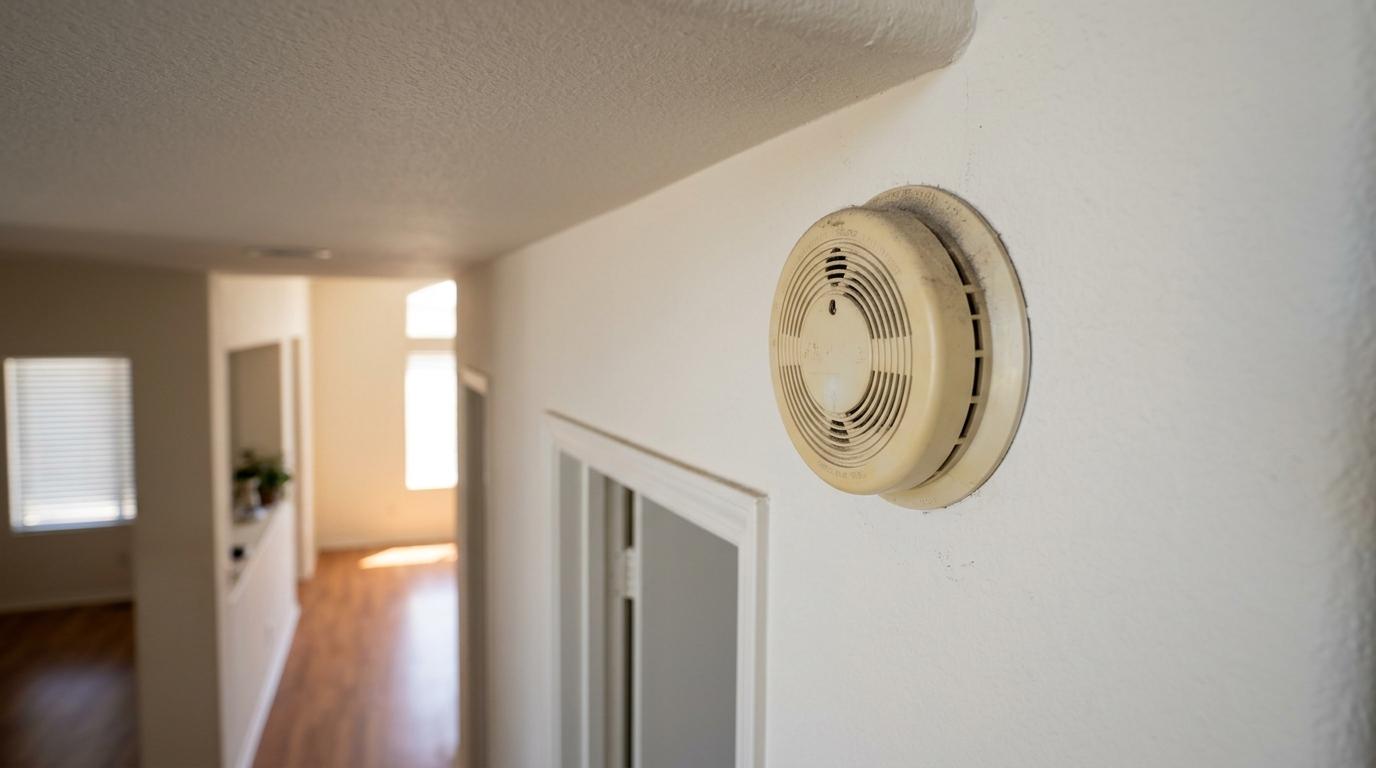
When you first step into a newly listed home in Temecula and the smell of fresh paint mixes with the faint scent of eucalyptus, the last thing you want to worry about is a silent fire. Yet, in our hot‑dry climate, a malfunctioning smoke detector can be the difference between a close‑call and a tragedy. I’m Orlando Martinez, lead inspector for Marine One Property Inspections, and over the past 15 years I’ve seen the same overlooked detector age out in homes across the Inland Empire, San Diego, and Orange County. This guide walks you through the practical signs and timing for replacing smoke detectors, using the very neighborhoods we serve every day.
Why Smoke Detectors Matter in Southern California
Why Smoke Detectors Matter in Southern California
- Wildfire smoke – The Santa Ana winds can carry smoke from distant wildfires into Temecula and Riverside, triggering detectors even when the fire is miles away.
- Fast‑spreading structure fires – Newer construction in the Inland Empire often features open‑plan layouts that allow flames to travel quickly.
- Local code requirements – California Residential Code (CR 803) mandates hard‑wired detectors with battery backup in every sleeping area and on each level of a home.
Even the most diligent homeowner can’t predict a short circuit or a sudden kitchen fire. A functional detector is the first line of defense, especially during the dry summer months when fire risk peaks.
How Often to Replace – The 10‑Year Rule and Local Exceptions
How Often to Replace – The 10‑Year Rule and Local Exceptions
The National Fire Protection Association (NFPA) recommends replacing every smoke detector at least every 10 years. In Temecula’s climate, consider these local adjustments:
- Battery‑powered units – If a detector relies solely on a 9‑volt battery, replace the battery yearly and the unit every 8–9 years. Heat accelerates battery drain.
- Hard‑wired with battery backup – Even with a constant power source, the internal sensor ages. Mark the installation date on the detector and set a calendar reminder for the 10‑year mark.
- High‑humidity areas – Homes near the Temecula River or in lower‑lying parts of Riverside experience more moisture. Replace detectors in bathrooms or basements 5 years earlier to avoid corrosion.
- Older homes – Many pre‑1990 houses in the Inland Empire still have ion‑type detectors, which are more prone to false alarms. Upgrade to photoelectric models and schedule a replacement within 5 years of the inspection.
A simple way to track replacements is to tape a small label with the installation date on the detector’s faceplate. When you glance at the label during a routine check, you’ll know exactly where you stand.
Signs a Detector Needs Replacement – What to Look For
Signs a Detector Needs Replacement – What to Look For
During an inspection I often find detectors that look fine but are silently failing. Keep an eye out for these clues:
- Flickering LED – A slow, intermittent blink usually means the battery is low or the sensor is degrading.
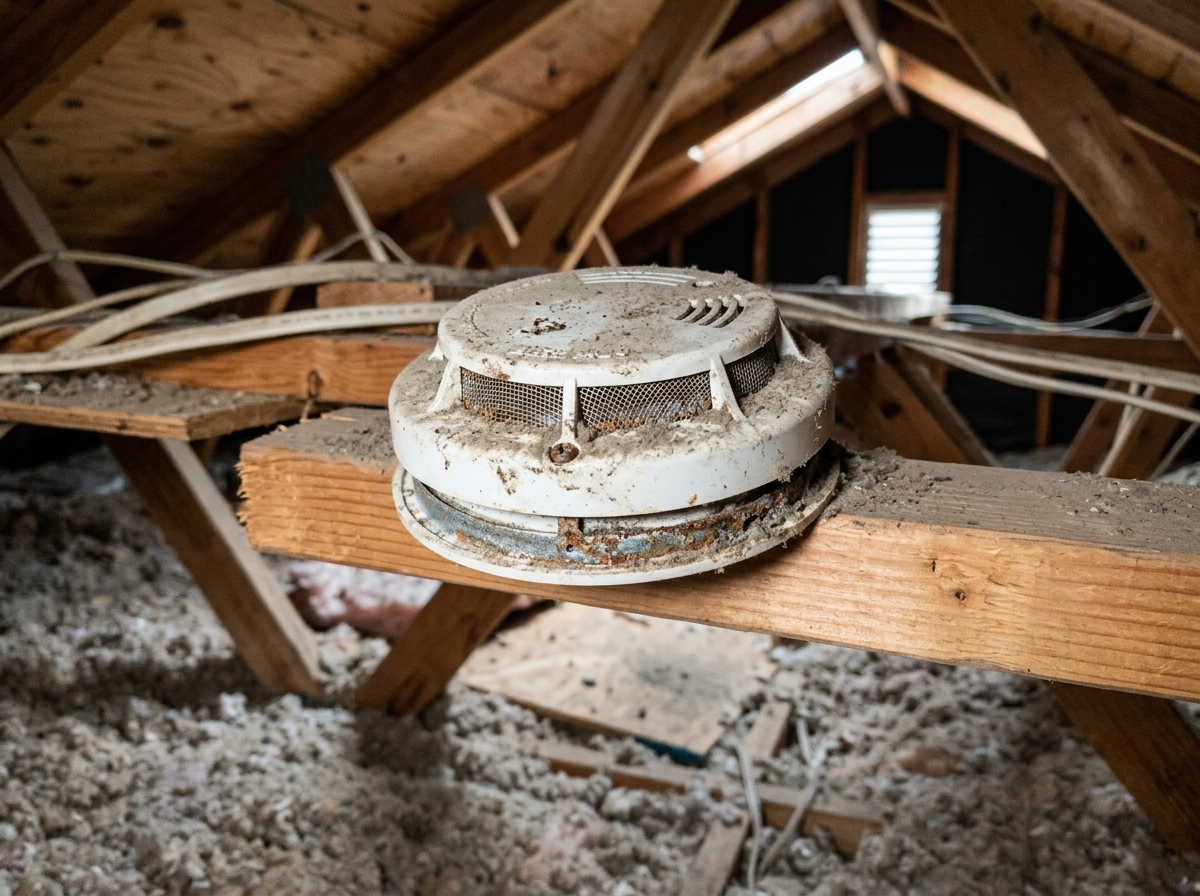
- Dust or corrosion – A thin layer of dust or rust on the sensor’s opening reduces sensitivity.
- Physical damage – Cracks, missing screws, or a loose mounting bracket indicate the unit has endured wear.
- No chirp during the test button – If the detector doesn’t emit a loud tone when you press the test button, it’s time for a replacement.
Image description: a ceiling‑mounted photoelectric smoke detector covered in dust and a small amount of corrosion on a two‑story suburban home in Temecula.
Replacing Detectors During a Home Inspection
Replacing Detectors During a Home Inspection
When I walk through a property, I treat smoke detectors as part of the broader safety envelope that includes radon testing, mold air quality checks, and even the roof’s condition via drone inspection. Here’s how Marine One Property Inspections integrates detector replacement into the inspection workflow:
- Visual audit – I verify each detector’s location, power source, and label the installation date.
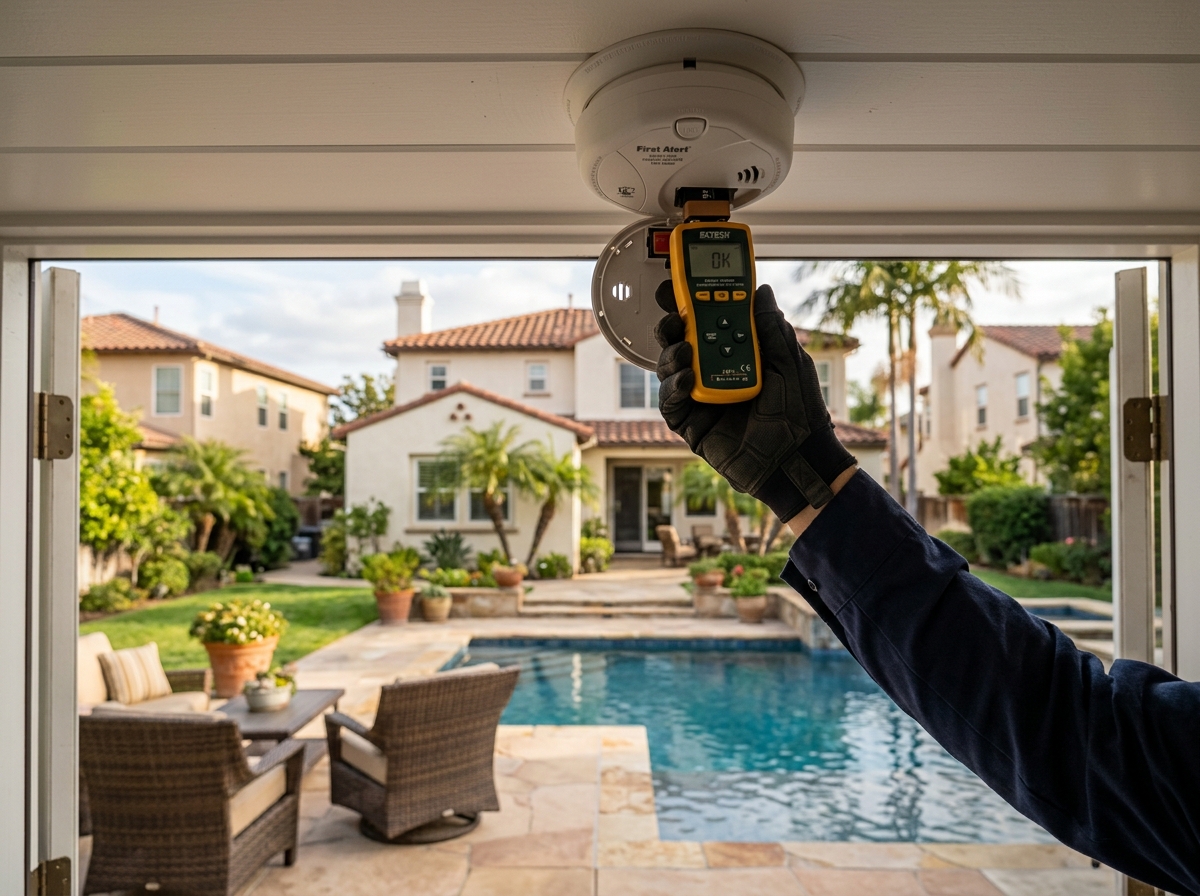
- Functional test – Using a handheld tester, I confirm the alarm sounds at the appropriate volume.
- Recommendation report – If a unit is near the 10‑year mark or shows any of the warning signs, I note a replacement recommendation alongside any related findings (e.g., a roof leak that could affect a detector’s housing).
- Optional upgrade – For homes in San Diego or Anaheim where building codes have recently changed, I can arrange for a licensed electrician to install hard‑wired units with battery backup.
- Coordinated services – While I’m on site, I can also schedule a radon test or a mold air quality assessment, giving you a comprehensive safety snapshot in one appointment.
Image description: a handheld battery tester being used on a smoke detector near a pool house in an Anaheim neighborhood.
If you’ve spotted any of the warning signs or simply want peace of mind that your home’s fire‑safety network is current, give me a call. At Marine One Property Inspections we’ll walk through your detectors, answer any questions, and schedule a replacement if needed—no pressure, just reliable guidance for Temecula homeowners and buyers alike.